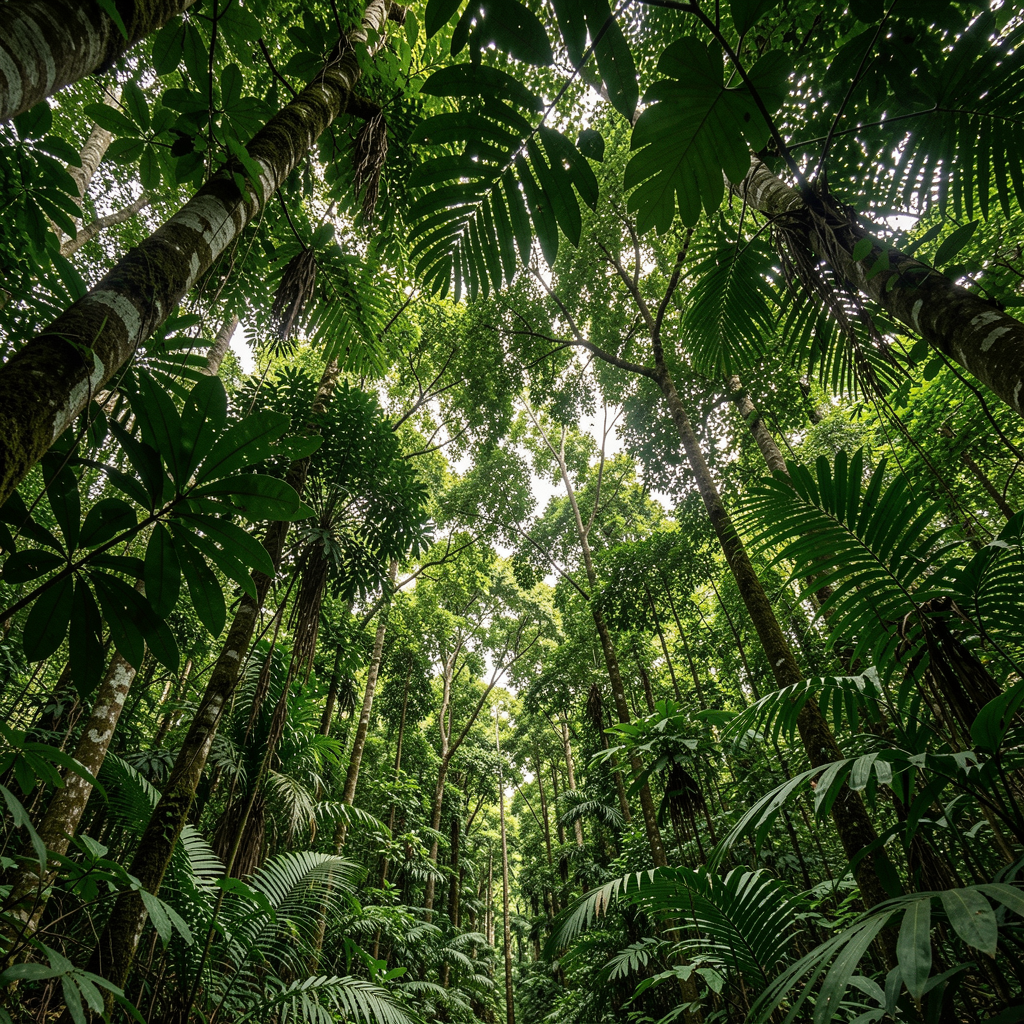
We plant trees, protect ecosystems, and empower local communities across sub-Saharan Africa to build a greener, more resilient future.
"Africa's forests are not a resource to be extracted — they are a living inheritance to be tended, celebrated, and passed on."
Green Africa Project was founded on a single conviction: that ecological restoration and community empowerment are not separate goals. We work at the intersection of conservation science, traditional land knowledge, and grassroots organizing — because forests thrive when the people who live within them thrive too.
From reforestation to education to sustainable agriculture, our work spans the full arc of environmental stewardship.
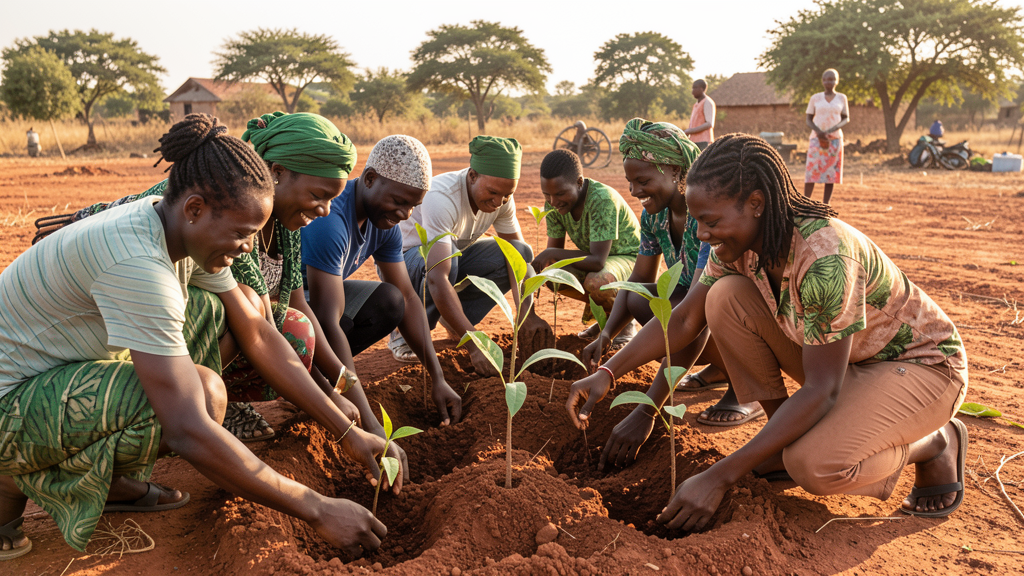
Native species planting drives, seed banks, and managed nurseries that put millions of trees into African soil each year — and keep them alive through community stewardship agreements.
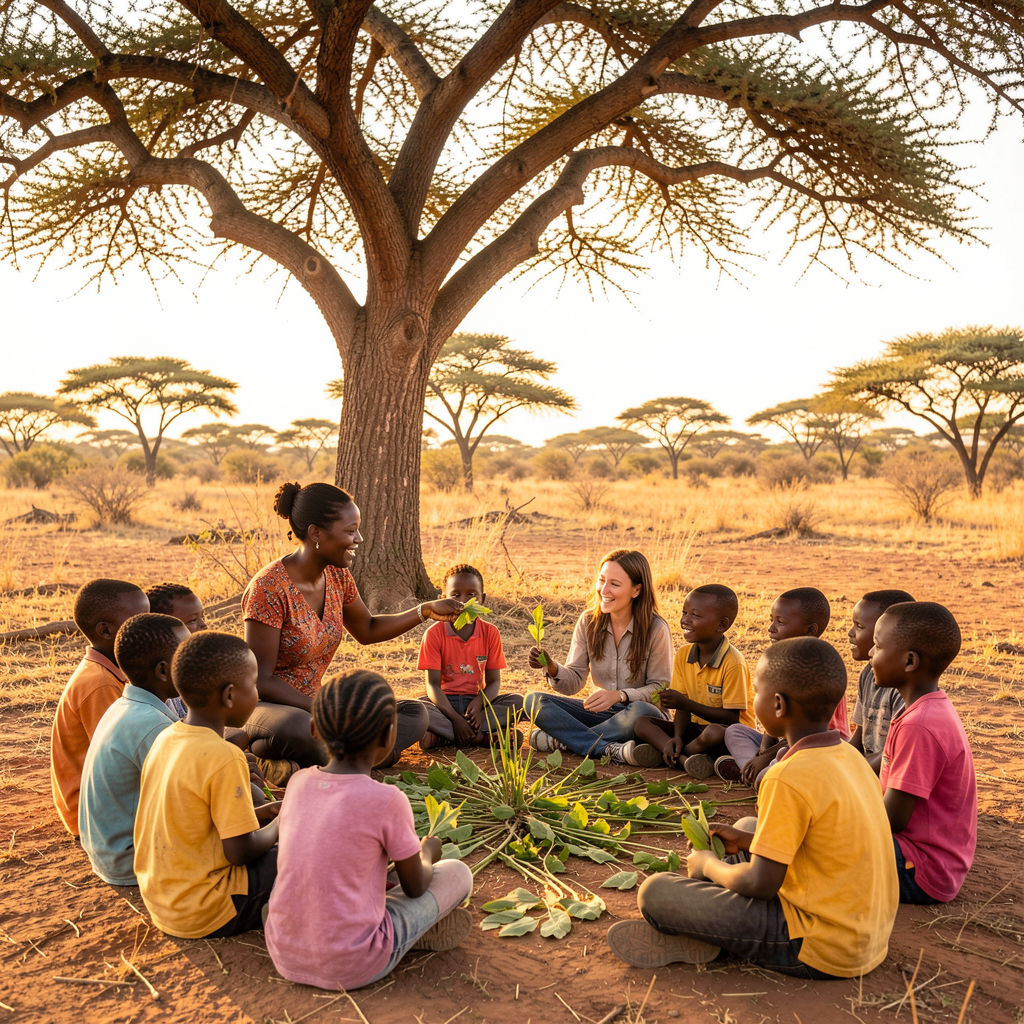
Environmental literacy programmes in schools and communities — combining formal ecological science with Indigenous land knowledge to build the next generation of African conservationists.
Agroforestry training, clean-energy access, and green enterprise development that give communities an economic stake in their local ecosystems — so conservation becomes a livelihood, not a burden.
Every metric below is a community story: a forest regenerated, a child educated, a family with clean water and steady income.
Field Story · Kenya
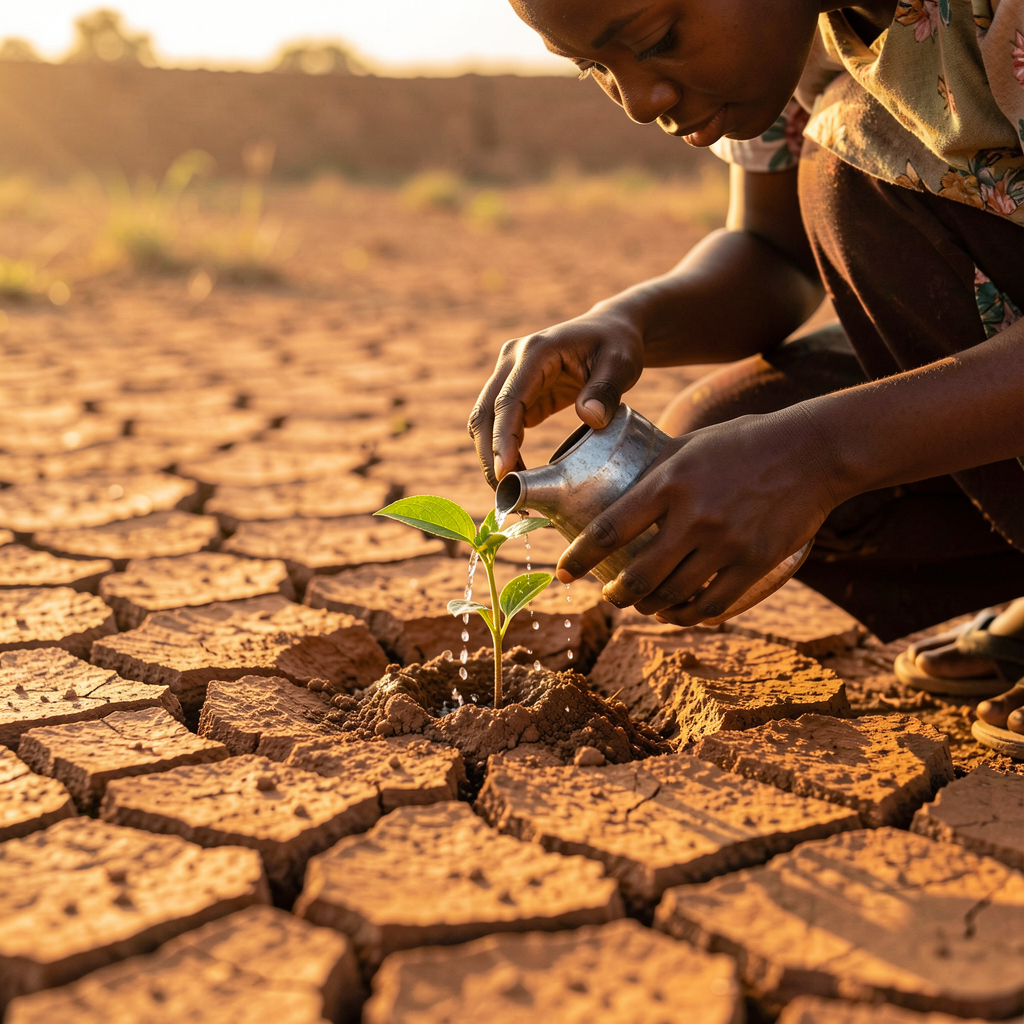
In the drylands of northern Kenya, where rainfall has become increasingly unpredictable, the Green Africa Project has worked with women's cooperatives for eight years to transform degraded land into productive agroforestry plots.
The women do not just plant trees — they become their stewards, their advocates, and their long-term custodians. The results speak for themselves: a 94% survival rate for planted seedlings, and water table recovery in three formerly dry river basins.
"Before, we would walk five hours for clean water. Now the trees have brought the water back to us. The forest is not separate from our lives — it is our lives."— Amina Waweru, Community Leader, Isiolo County, Kenya
Our programmes are designed to be community-led, science-backed, and financially sustainable.
A continental reforestation drive targeting 10 million native trees by 2030. Local communities receive seedlings, training, and multi-year support payments tied to verified tree survival — aligning economic incentives with conservation outcomes.
Learn moreCurriculum integration and teacher training bringing ecological literacy into 400+ schools across 8 countries. Students cultivate school nurseries, conduct biodiversity surveys, and become conservation advocates in their own communities.
Learn moreMicro-grants and business support for farming families transitioning to agroforestry. Combines indigenous crop varieties with native trees to improve food security, soil health, and household income simultaneously.
Learn moreA campaign and platform amplifying African civil society voices in global climate negotiations — because those with the least historical emissions face the greatest risk, and that injustice must be named at every COP table.
Learn moreOur staff are ecologists, educators, community organisers, and campaigners — most of them from the regions where we work.
Dispatches from our programmes, our campaigns, and the communities driving this work forward.
Three years after the launch of our Rift Valley Corridor Project, we reached a milestone that scientists said was unlikely: over one million native trees established across 180,000 hectares of degraded savanna. Here is how it happened — and what we learned.
A landmark for our education programme, and a reminder that the future of conservation is being shaped in classrooms right now.
In the Kilosa district, combining clean energy with native tree farming has doubled household income while reducing deforestation pressure by 70%.
Our network spans international NGOs, academic institutions, governments, and local civil society organisations across 12 African countries.
Whether you're a donor, a potential partner, a journalist, or someone who wants to volunteer — we'd love to hear from you.
Green Africa Project
Karen Office Park, Nairobi
Kenya P.O. Box 47100
Nairobi, Kenya
Accra, Ghana
Dar es Salaam, Tanzania
Kampala, Uganda
Lagos, Nigeria